Price Per Serving
Understanding how to calculate cost-per-serving helps you compare options fairly across package sizes and brands.
Master the principles of strategic food shopping: comparing prices, understanding labels, and selecting ingredients that work across multiple meals.
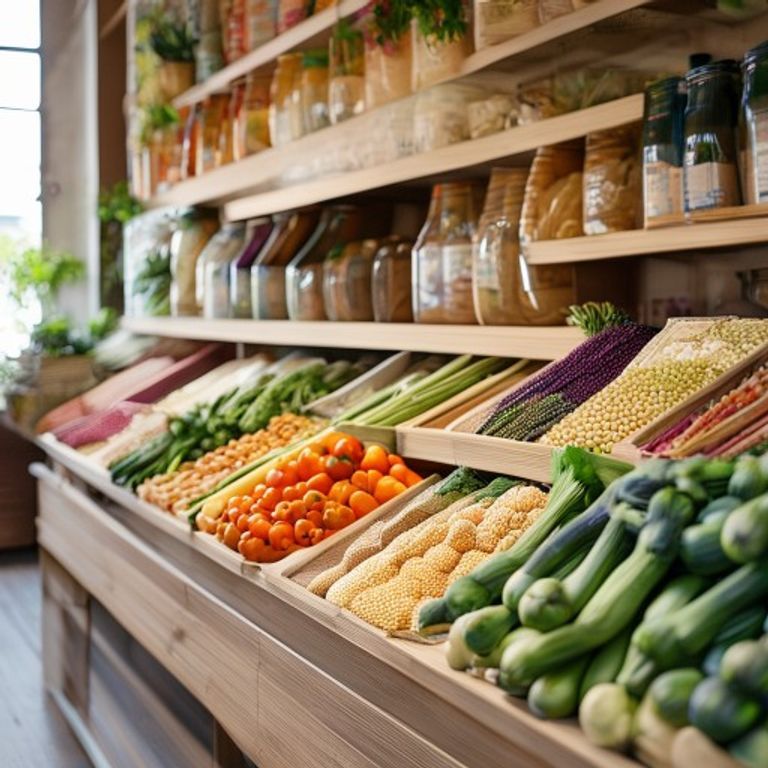
Understanding how to calculate cost-per-serving helps you compare options fairly across package sizes and brands.
Prioritize foods that work in multiple meals. Beans, grains, and affordable vegetables are your foundation.
Seasonal produce is cheaper and fresher. Adjust your meal planning to work with what's in season.
A well-planned list prevents impulse purchases and ensures you have ingredients for your meal frameworks.
Choose 4–5 simple meal ideas for the week. Identify the key ingredients you'll need.
Write down quantities and check what you already have. Group items by store section for efficient shopping.
Check unit prices, not just package prices. Look for sales on versatile staples and bulk options.
Stick to your list, check expiration dates, and store items properly to maximize freshness and reduce waste.
Estimated weekly budget for 24% efficiency
Adjust inputs to see how people, meal count, and bulk buying affect your estimated budget. Base estimate ~$30/week for 2 people, 12 meals.
Food labels provide important information for informed shopping decisions. Learn what to look for:
Education on labels helps you make choices aligned with your budget and preferences without needing specialized dietary knowledge.

Common, budget-friendly ingredients that provide protein and work across many dishes.
| Source | Price Range | Versatility | Shelf Life |
|---|---|---|---|
| Dried Beans & Lentils | $1–2/lb | Very High | 1+ years |
| Eggs | $2–4/dozen | Very High | 3–5 weeks |
| Canned Tuna | $0.50–1/can | High | 2+ years |
| Peanut Butter | $2–4/jar | High | 6–9 months |
| Chicken (bulk) | $4–7/lb | Very High | 1–2 days fresh |
| Tofu | $1.50–3/package | High | 1 week refrigerated |
This is educational information on commonly available ingredients. Actual prices and availability vary by location and time. Consult nutritional information for specific nutrient content.
Buying in bulk can reduce per-unit costs for staples you use regularly. Understanding when and what to buy in bulk is key to maximizing your budget.
Focus on non-perishable items like dried beans, rice, oats, and oils. Calculate your actual usage before buying large quantities to avoid waste.
Get Bulk Strategy Guidance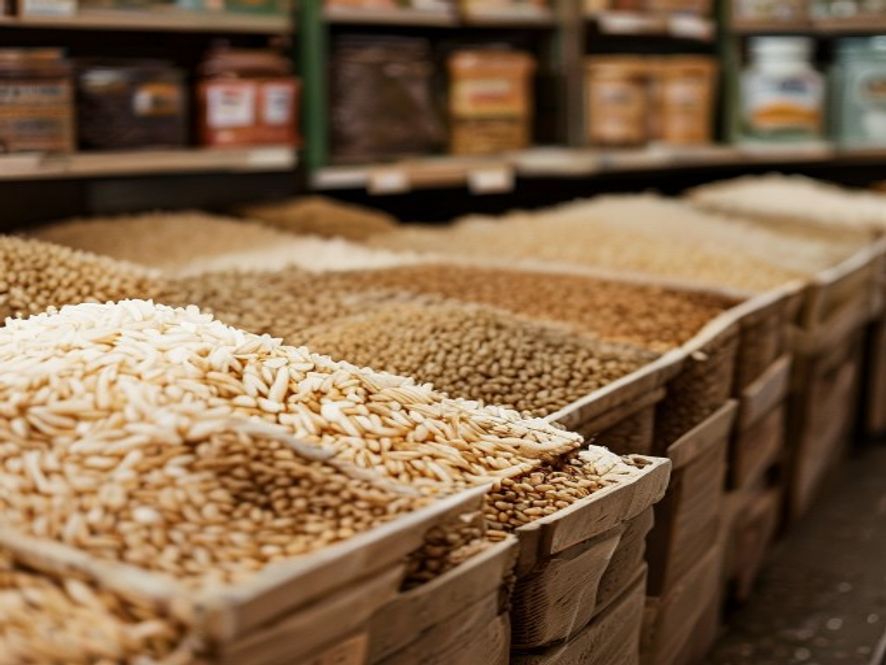
Divide the total price by the number of servings in the package. This helps you compare similar products in different sizes fairly.
Store brands and name brands often come from the same manufacturers. The main difference is usually packaging and marketing. Many shoppers find store brands provide the same quality at lower cost.
This is a personal choice based on budget and preference. Conventional produce is safe and affordable. Focus your budget on the foods your family eats most and enjoy.
Storage life varies. Dried goods (beans, rice, oats) last months or years. Fresh produce lasts days to weeks depending on type. Frozen items last months. Check labels and store properly to minimize waste.
Many shoppers find they make better decisions when they've eaten. A pre-planned list is your best tool for staying focused on your budget goals.
Sales cycles vary by store and season. Check weekly flyers and apps. Shopping strategically around sales on versatile staples can significantly stretch your budget.
Personalized guidance can help you build a shopping system that works for your life and budget.
Schedule a Consultation